


Introduction
It’s the dead of winter and your boiler gives out — the house is cold, showers are colder, and your day is upside‑down. The good news: you can often avoid a no‑heat emergency by spotting the warning signs early. At Air Services Unlimited, we give homeowners clear, honest assessments that put your safety and budget first. If your boiler has been acting up, this guide will help you decide whether it’s time for a targeted repair or a smart, long‑term replacement — so you can Enjoy the Great INDOORS again.
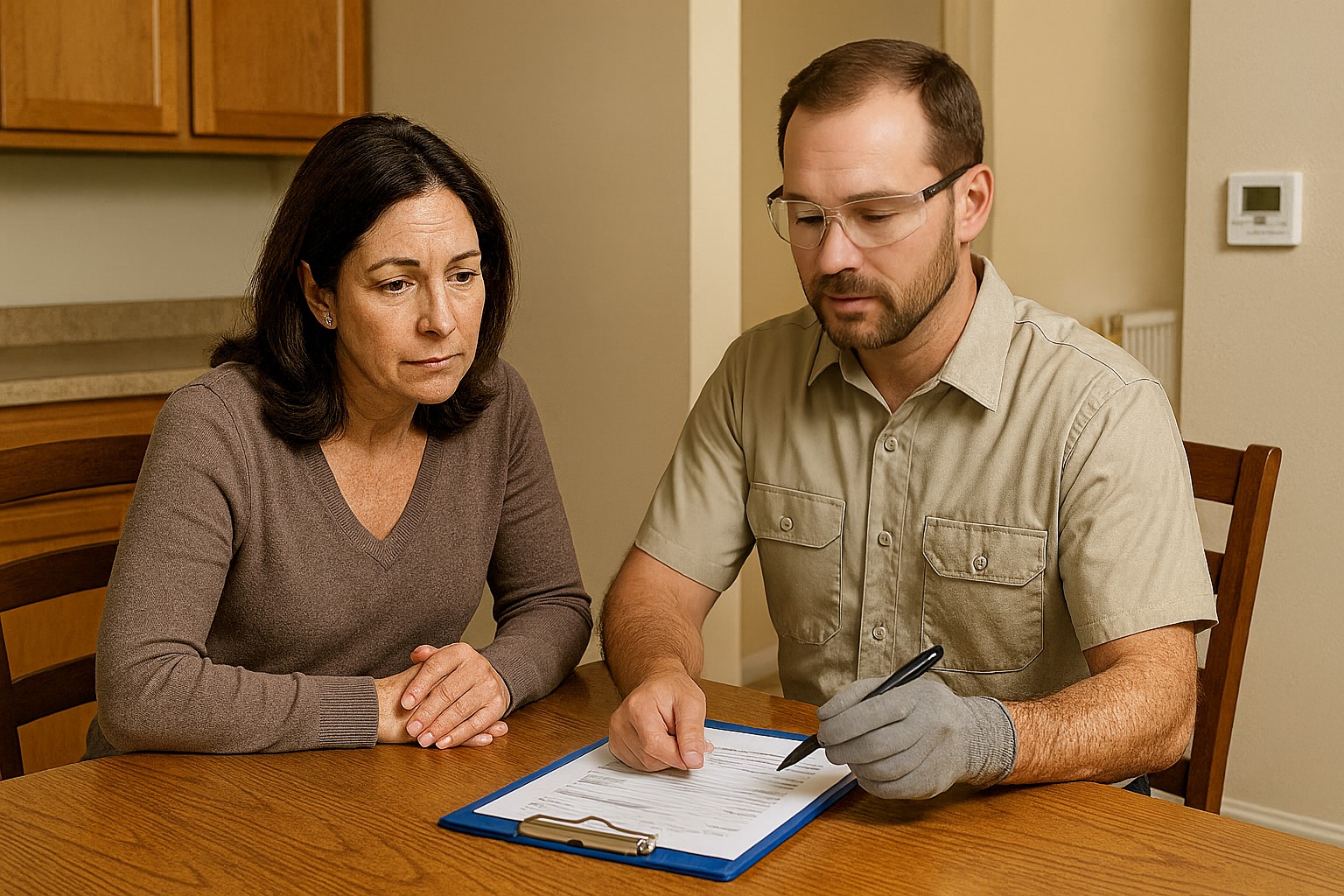
Key Signs Your Boiler Needs Repair or Replacement
Aging or Outdated Equipment
Most residential boilers deliver dependable service for 15–20 years with proper maintenance. As units age, heat exchangers, pumps, and controls wear, leading to lower efficiency and more nuisance issues. If yours is approaching that window—or parts are getting hard to find—it’s smart to plan ahead rather than wait for a mid‑season failure. Tip: if the install date is unknown, check the serial number label or past service records for the year of manufacture.
Recurring Breakdowns and Service Calls
If you’re scheduling repairs more than once a heating season, the boiler is likely nearing end‑of‑life. The cumulative cost of igniter replacements, sensor faults, pressure‑loss leaks, and circulation problems can quickly exceed the value of keeping an aging unit running. In many cases, upgrading to a newer, more reliable system reduces surprise repairs and lowers total cost of ownership.
Higher Energy Bills at the Same Settings
A healthy boiler should deliver steady comfort without sudden spikes in usage. Worn components force the system to work harder—causing short‑cycling, longer run times, and higher utility bills even when your schedule or set points haven’t changed. That’s a strong sign efficiency has slipped and the system needs repair or evaluation for replacement.
Uneven Comfort or Slow Heat Recovery
Rooms that never quite warm up, radiators/baseboards that stay cool, or long wait times after a setback indicate circulation or control issues. Air in the system, failing pumps, or scaling in the heat exchanger can all reduce output. Persistent comfort problems suggest the boiler isn’t performing to spec and should be professionally assessed.
Leaks, Corrosion, Odors, or Unusual Noises
Any puddles, staining, or visible corrosion deserve prompt attention. Banging, gurgling, or whistling often points to sediment buildup, air entrapment, or mechanical wear. Odors or a burner flame that’s anything but steady blue (for conventional burners) may indicate combustion problems that require immediate professional service.
When Repair Makes Sense — And When Replacement Is Smarter
When Repair Is Worth It
If the problem is isolated — for example, a faulty thermostat, air vent, or valve — and your boiler is under about 15 years old, repair is often the most practical, cost‑effective path. Our technicians can diagnose the root cause and restore safe operation.
When Replacement Is the Better Investment
Choose replacement when your boiler is 15 years or older, suffers recurring breakdowns, shows corrosion or obsolete parts, or raises safety concerns (combustion issues, gas odors, or chronic venting problems). A new, properly sized and vented system improves reliability, lowers operating costs, and helps protect against carbon monoxide risks.
What You Should Do Next (Step‑by‑Step)
First, confirm the age of your boiler using the serial number or service records. Next, observe performance—watch for rising bills, uneven heat, longer recovery times, or new noises. Then schedule a professional inspection and avoid opening panels or adjusting gas controls yourself. Compare costs: if the repair estimate approaches 50% of a new system, replacement usually wins on reliability and long‑term savings. Above all, prioritize safety; if you suspect a gas leak, see a yellow flame, or notice water near electrical components, leave the area and contact your gas utility or emergency services before calling for HVAC service.
Why Catching Problems Early Matters
Early diagnosis preserves comfort, prevents surprise outages, and keeps energy costs in check. Proactive maintenance also reduces emergency calls and extends equipment life. Most importantly, it helps prevent hazards like carbon monoxide issues — especially critical in tightly sealed homes. Install and regularly test carbon monoxide detectors on every level for added protection.
Frequently Asked Questions
How long should a boiler last?
With proper maintenance, most boilers last between 15 and 20 years. Lifespan can vary depending on usage, water quality, and regular servicing.
Should I repair an older boiler or replace it?
If your boiler is older than 15 years and experiencing frequent issues, replacement may offer better value. New models provide greater efficiency and fewer unexpected repairs.
What are early signs I should call a boiler technician?
Warning signs include unusual noises, visible leaks, inconsistent heating, rising energy bills, and odd smells. These symptoms should be evaluated quickly to avoid bigger problems. If you suspect a gas or carbon monoxide issue, leave the area and contact emergency services before calling a technician.
Can replacing a boiler save me money?
Yes, a new boiler uses energy more efficiently and can significantly reduce monthly heating costs. It also eliminates the expense of frequent repairs and emergency service.
Is safety a reason to replace a boiler even if it seems to work?
Absolutely, because issues like gas leaks or poor combustion can pose serious health and safety risks. Replacing a problematic unit ensures your home remains safe and comfortable.
Local Help You Can Trust
Air Services Unlimited has served Southeast Texas and Southwest Louisiana since 1981. Our NATE‑certified technicians train continuously to deliver on‑time, detail‑driven service. From precise repairs to turnkey replacements, we tailor solutions to your home and budget so you can Enjoy the Great INDOORS.
Contact Air Services Unlimited in Beaumont, TX, for a professional inspection and honest recommendation.