Air Services Unlimited Blog: Posts Tagged ‘Heat Pump’

What to Expect From Heat Pump Installation

Thursday, March 26th, 2026

Replacing an older HVAC system comes with a lot of understandable questions. How long will installation take? Will the process disrupt your home? Will the new system really stand up to Beaumont’s long, hot, humid cooling season and its shorter but still chilly winter stretches?

In Southeast Texas, those are important concerns. Beaumont’s climate brings long warm seasons, heavy humidity, and significant annual rainfall, so installation quality matters just as much as the equipment itself. When a system is properly selected, installed, and tested, homeowners can enjoy more dependable comfort, better efficiency, and greater peace of mind.
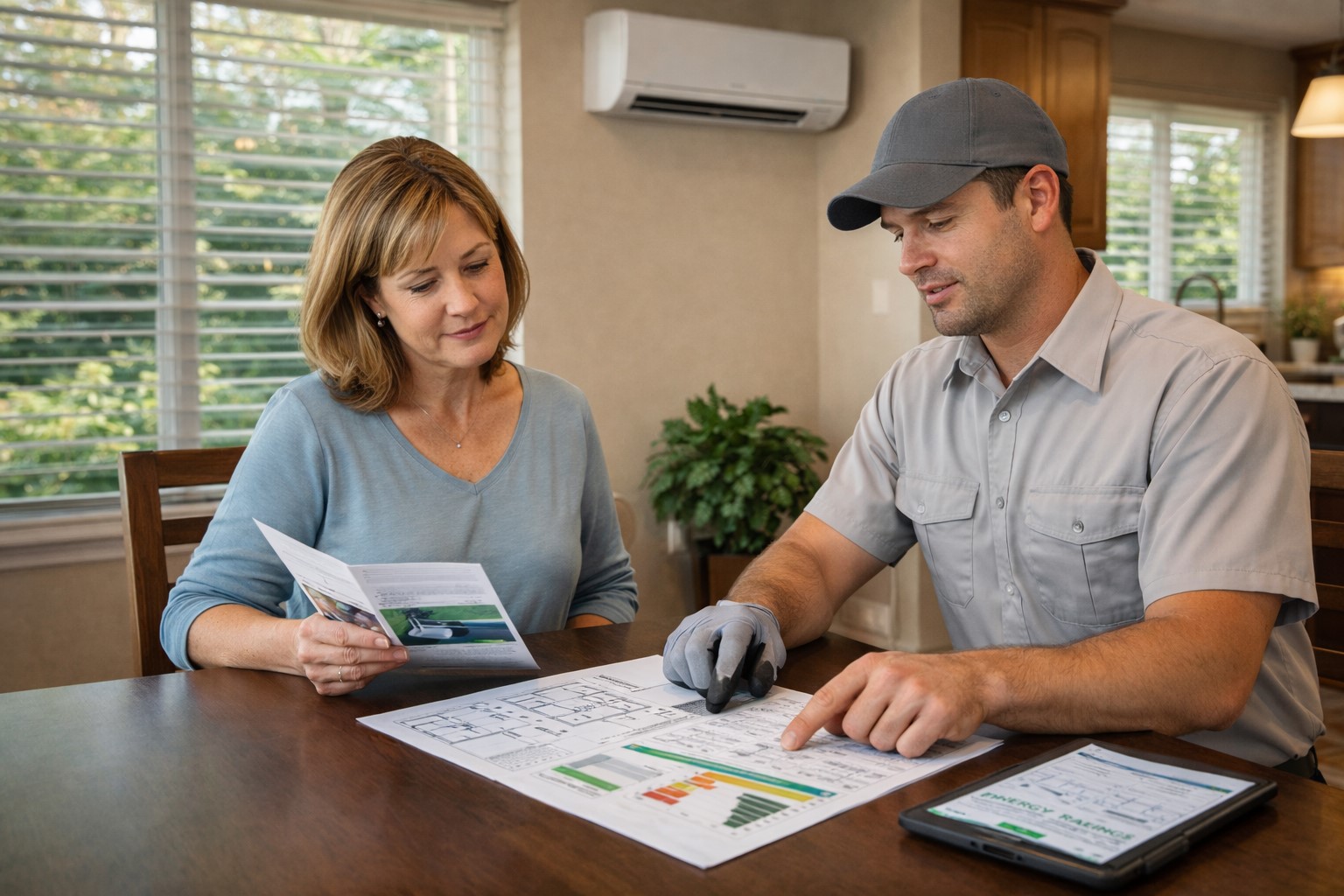
Homeowner reviewing new heat pump installation with HVAC technician in Beaumont.

At Air Services Unlimited, homeowners count on a trusted local team for complete comfort solutions built around long-term performance. Serving the Golden Triangle region since 1981, Air Services Unlimited offers 24/7 emergency service and relies on NATE-certified service technicians and experienced installation teams to deliver workmanship you can feel good about.

Why More Beaumont Homeowners Are Choosing Heat Pumps

A heat pump gives you both heating and cooling in one system, which makes it a strong fit for homes in Beaumont, where summers are intense and winters are usually milder than in colder northern climates. For many homeowners, that all-in-one versatility makes a heat pump an efficient and practical solution.

Still, the success of the system depends on much more than the equipment itself. Proper sizing and matching are critical. A contractor should carefully evaluate your home’s heating and cooling demands so the system can deliver the right balance of comfort, humidity control, and efficiency.

What Happens Before Installation Day?

Before any equipment goes in, a professional installer should evaluate the home carefully. This step is one of the most important parts of the entire process because it helps ensure the new system is truly suited to space.

Home Evaluation Comes First

A heat pump installation typically starts with an in-home assessment. Your contractor should review your home’s square footage and layout, insulation levels, existing ductwork condition and design, electrical capacity, indoor and outdoor unit placement, and any current comfort issues such as hot and cold spots. This matters because proper equipment size is essential for both comfort and efficiency, and an oversized or undersized system can lead to uneven temperatures, short cycling, excess wear, and wasted energy.

You May Review Equipment Options

Depending on your home and comfort goals, your installer may discuss several system types, such as standard central heat pump systems, ductless mini-split heat pumps, geothermal systems, and higher-efficiency or variable-capacity equipment designed to improve humidity control. Air Services Unlimited installs heat pumps, ductless systems, geothermal heating and cooling equipment, and other home comfort solutions tailored to different home layouts and energy needs.

Permit and Code Considerations

In Beaumont, HVAC work may be subject to permit requirements and building-code compliance, which means your installation may need to meet local standards related to safety, approved procedures, and system performance. Professional installation helps protect homeowners because an experienced contractor understands how to complete the work correctly and in line with applicable requirements.

What to Expect on Heat Pump Installation Day

Many homeowners picture installation day as noisy or chaotic. In reality, a well-organized crew usually follows a clear sequence of steps to keep the process as efficient and controlled as possible.

  1. Old Equipment Removal

If you are replacing an existing system, the crew will usually begin by disconnecting and removing the old equipment. This may include the indoor unit, outdoor condenser or heat pump, and in some cases portions of the old refrigerant line set or controls. During this stage, you may notice some noise, technician traffic in and out of the house, and a temporary loss of heating or cooling while the old system is being removed and the new one is prepared for installation.

  1. Preparing the Installation Area

Next, technicians prepare the indoor and outdoor work areas so the new system can be installed correctly and safely. This often includes leveling or setting the outdoor pad, confirming proper clearances around the unit, checking condensate drain routing, reviewing airflow pathways, and verifying electrical connections. Careful preparation helps support long-term performance, accessibility, and serviceability.

  1. Installing the Indoor and Outdoor Units

Once the site is ready, the new heat pump system is placed and connected. Depending on the setup, technicians may install the outdoor heat pump unit, an indoor air handler or compatible coil, refrigerant lines, thermostat controls, disconnects or other electrical components, and condensate drainage parts. Each connection plays an important role in helping the system operate efficiently and reliably.

  1. Ductwork or Airflow Adjustments

Not every installation requires duct modifications, but some homes do. If the existing ductwork is undersized, leaking, or poorly designed, your contractor may recommend repairs or upgrades during the installation process. Even an excellent heat pump can underperform when airflow issues are left unaddressed, so ductwork condition has a major impact on comfort, efficiency, and humidity management.

  1. Electrical and Safety Checks

Because heat pumps rely on correct electrical integration, your installer should inspect wiring, controls, and protective components carefully. Faulty connections can affect safety, shorten component life, and interfere with reliable operation. This stage helps confirm that the system is connected properly and ready to operate as intended.

  1. Refrigerant Charging and System Testing

Once the equipment is installed, the crew should test and calibrate the system to make sure everything is operating correctly. This process typically includes verifying refrigerant charge, checking airflow, testing thermostat operation, confirming heating and cooling modes, and measuring temperature split and overall performance. This is where workmanship really shows, because a properly tested startup helps ensure your system is ready to deliver unprecedented comfort and dependable day-to-day performance.

How Long Does Heat Pump Installation Take?

Installation time depends on the scope of the project.

A straightforward replacement may move faster, while a job involving ductwork updates, electrical upgrades, or more extensive preparation can take longer. For most homeowners, the key thing to expect is some technician access, workspace around the system, and a temporary interruption in heating or cooling while the work is underway.

Will Installation Make a Mess?

A professional crew should take reasonable steps to protect your home throughout the installation. Homeowners can usually expect drop cloths or floor protection, organized tool staging, cleanup of installation debris, and a final walkthrough before the crew leaves. Some dust or minor disruption is normal, especially if the project involves attic access, closet air handlers, or duct modifications, but the overall process should still feel controlled and respectful of your home.

What Should You Do Before the Crew Arrives?

A little preparation can help installation go more smoothly and reduce unnecessary delays. Taking a few simple steps before the crew arrives can also make the overall process feel easier and less stressful for homeowners.

Homeowner Checklist Before Installation

Before your appointment, it helps to:

  • Clear space around indoor and outdoor equipment areas
  • Move valuables or fragile items away from work zones
  • Secure pets
  • Make sure technicians can access the thermostat, attic, closet, or utility area
  • Ask how long heating or cooling may be temporarily unavailable

What to Ask Your Installer

It is also smart to ask a few key questions before installation begins:

  • Was the new system sized specifically for my home?
  • Will any ductwork changes be needed?
  • Are electrical upgrades necessary?
  • What kind of thermostat will be installed?
  • What maintenance will help the system run well over time?

These questions help you better understand the work being performed and the value of a properly planned installation.

What Happens After the Installation?

Once the system is in place, your contractor should walk you through basic operation so you feel confident using it from day one. This final walkthrough helps you understand your new heat pump’s features, settings, and daily operation with greater confidence.

Expect a Final System Review

A quality handoff often includes thermostat instructions, filter information, maintenance recommendations, a basic explanation of heating and cooling modes, and signs to watch for if service is needed later. This final review gives homeowners more confidence and helps them understand what normal system operation looks like.

Why Proper Sizing and Maintenance Matter

A heat pump that is properly sized, matched, and maintained is much more likely to deliver the comfort and efficiency homeowners expect. Proper sizing should be based on formal load calculations so the system can meet the home’s heating and cooling demands more accurately.

Ongoing maintenance matters just as much. It helps the system operate smoothly, supports efficiency, and reduces the risk of avoidable breakdowns over time.

How Regular Maintenance Protects Your New Heat Pump

Installation is only the first step. Routine maintenance helps protect your investment by keeping the system in stronger condition year after year. It also gives technicians the opportunity to spot minor issues before they turn into larger, more expensive repairs.

Benefits of Seasonal Heat Pump Maintenance

Seasonal maintenance helps maintain efficient performance, supports stronger airflow and indoor comfort, catches electrical issues early, reduces unnecessary strain on components, and helps protect long-term system reliability. In Beaumont, where systems often face extended cooling demand and persistent humidity, preventive service can be especially valuable.

Why Professional Installation Matters in Beaumont, TX

Local conditions have a major impact on HVAC performance in Beaumont, where hot summers, mild-to-cool winters, high humidity, and substantial rainfall all influence how well a heat pump performs. Because of these conditions, system selection, airflow, drainage, startup, and calibration all need careful attention to help ensure dependable comfort and efficiency. Professional installation also helps homeowners address proper system sizing, duct leakage concerns, humidity control, code and permit requirements, and correct startup and performance testing. Air Services Unlimited brings decades of Southeast Texas experience to installation, repair, replacement, and maintenance services, and that local familiarity extends to nearby communities like Nederland, Port Neches, Orange, Vidor, Lumberton, and Bridge City.

FAQs About Heat Pump Installation in Beaumont, TX

Question: How long does heat pump installation take?
Answer: Most installations take anywhere from one day to several days, depending on ductwork, electrical updates, and system complexity. A straightforward replacement usually moves faster than a project that requires major duct or electrical modifications.

Question: Will I need a permit for heat pump installation in Beaumont?
Answer: Possibly. Permit and building-code requirements may apply, so your contractor should review local requirements before work begins.

Question: Is a heat pump a good choice for Beaumont homes?
Answer: Yes, often. Heat pumps are usually a great fit for Beaumont’s long cooling season and milder winters when they are sized and installed correctly.

Question: What happens if my heat pump is the wrong size?
Answer: An oversized or undersized system can reduce efficiency, hurt comfort, and increase maintenance needs. It may also cause uneven temperatures, short cycling, or higher utility bills over time.

Question: Do I need ductwork changes during installation?
Answer: Not always, but some homes do. If your ductwork is leaking, undersized, or poorly designed, updates may be recommended to help your new system perform properly.

Ready for Heat Pump Installation in Beaumont?

Knowing what to expect makes the process much easier. From the initial home evaluation to final testing and walkthrough, a professional heat pump installation should leave you with better comfort, stronger confidence, and a system designed for Beaumont’s climate.

If your current system is aging, struggling, or costing too much to run, Air Services Unlimited is ready to help you enjoy the Great INDOORS with a solution built for long-term comfort.

Contact Air Services Unlimited to schedule your heat pump installation consultation and get expert help from a team that delivers unparalleled customer care.

Continue Reading

Heat Pump Maintenance vs Heat Pump Tune Up

Thursday, March 26th, 2026

Imagine your heat pump struggling during a sweltering Beaumont summer. The air feels sticky, rooms won’t cool evenly, and your energy bill keeps climbing. A week later, the system shuts down completely and the repair cost is far higher than you expected.

In many cases, that chain of events is avoidable with the right type of service. The catch? A heat pump tune-up and ongoing heat pump maintenance aren’t the same thing. Knowing the difference helps you choose the level of protection your system needs for Southeast Texas heat, humidity, and near year-round operation.

Homeowner reviews heat pump maintenance checklist with HVAC technician in Beaumont home.

At Air Services Unlimited, we’ve helped homeowners across the Golden Triangle protect their comfort for decades with service designed for Gulf Coast conditions so you can Enjoy the Great INDOORS.

Heat Pump Maintenance vs. Heat Pump Tune-Up: The Key Difference

These terms get used interchangeably, but they don’t always deliver the same scope. Confusing them can create gaps in care that impact efficiency, reliability, and equipment life especially in Beaumont’s demanding climate. In simple terms, a tune-up is typically a one-time visit focused on peak-season performance, while maintenance is an ongoing strategy that often includes multiple visits per year, deeper system oversight, and long-term protection. If your heat pump runs most of the year (as many do in Beaumont), ongoing maintenance is usually the smarter investment.

What Is a Heat Pump Tune-Up?

A heat pump tune-up is a single, scheduled service visit that helps optimize performance before high-demand seasons like summer cooling and winter heating. During this appointment, a technician typically inspects electrical connections, checks refrigerant levels, cleans evaporator and condenser coils, tests thermostat calibration, lubricates moving components, verifies proper airflow, and confirms safety controls are working correctly. Think of a tune-up as a seasonal performance check helpful for efficiency right now, but not always designed to catch developing issues over time.

What Is Heat Pump Maintenance?

Heat pump maintenance is broader and ongoing, designed to deliver consistent, year-round protection not just a short-term performance boost. It commonly includes scheduled tune-ups twice per year (often spring and fall), full system inspections and testing, condensate drain line cleaning, electrical testing and safety checks, and minor adjustments and calibration over time; in some cases, it may also include priority scheduling through a maintenance plan. In short, a tune-up is a single appointment, while maintenance is a long-term protection plan that helps your system stay reliable through Beaumont heat, humidity, and heavy seasonal workloads.

Why Heat Pumps in Beaumont, TX Need More Than Basic Service

Southeast Texas creates unique HVAC challenges, including:

  • High humidity for much of the year
  • An extended cooling season that pushes equipment harder
  • Coastal moisture that can accelerate corrosion and wear
  • Heavy rainfall and storm activity that can stress outdoor components

These conditions can lead to problems such as:

  • Coil corrosion
  • Clogged condensate drains
  • Electrical wear
  • Efficiency loss

Without routine maintenance, small issues can build quietly and show up as breakdowns when your system is under the most strain.

Signs Your Heat Pump Needs Maintenance (Not Just a Tune-Up)

A tune-up is great for seasonal readiness, but some symptoms suggest your system needs more comprehensive attention. When problems show up between seasons or keep coming back after a tune-up it often points to underlying wear, airflow restrictions, drainage issues, or electrical concerns that need a deeper inspection. Catching these early is especially important in Beaumont’s heat and humidity, where small issues can escalate fast during peak demand.

Rising Energy Bills? Your Heat Pump May Be Losing Efficiency

Dirty coils, restricted airflow, or a refrigerant imbalance can make your heat pump work harder than it should. That extra workload shows up on your electric bill.

A thorough inspection and cleaning can restore performance and help recover efficiency that’s been slipping over time.

Short Cycling? Turning On and Off Frequently?

Short cycling can be caused by thermostat problems, airflow restrictions, or developing electrical issues. Frequent starting and stopping puts extra strain on the compressor—one of the most expensive parts of the system.

If your heat pump is cycling rapidly, it’s time for diagnostic service.

Weak Airflow or Uneven Cooling?

Clogged filters, blower issues, and ductwork problems can reduce airflow and create inconsistent temperatures from room to room. That can lead to hot spots, higher indoor humidity, and more stress on your equipment.

A full airflow and system evaluation is the best way to pinpoint the root cause.

Water Leaks or Excess Moisture?

In Beaumont’s humidity, condensate drain clogs are common. When the drain can’t clear moisture, water can back up around the indoor unit raising the risk of mold growth, water damage, or system shutdown.

If you see water near your equipment, schedule service promptly.

What To Do If You Notice These Warning Signs

You can start with a few safe, homeowner-friendly checks by replacing the air filter if it looks dirty, confirming your thermostat settings are correct, making sure vents are open and not blocked, and looking for visible ice or standing water around the unit. If issues continue especially burning smells, persistent short cycling, or unexplained energy increases professional service is the next step. For safety, avoid opening equipment panels or attempting electrical or refrigerant-related fixes.

How Regular Heat Pump Maintenance Helps Prevent Expensive Repairs

Consistent maintenance supports by helping your system operate efficiently and reliably across every season.

Benefits of routine maintenance include:

  • Better energy efficiency
  • Longer equipment lifespan
  • Fewer emergency breakdowns
  • Improved indoor air quality
  • Support for manufacturer warranty requirements

Heating and cooling systems can lose meaningful efficiency when they’re not maintained—something that matters even more in Southeast Texas, where systems run most of the year. Catching wear early can also prevent costly failures, like compressor damage.

Why Twice-Yearly Heat Pump Maintenance Matters in Beaumont, TX

In humid climates like Beaumont, heat pumps commonly need service twice per year—once before summer and once before winter—because they operate nearly year-round.

This is especially important for homeowners in nearby communities like Lumberton, Nederland, Port Neches, Groves, and Orange, where coastal moisture can accelerate corrosion and component wear.

FAQs About Heat Pump Maintenance in Beaumont, TX

Question: How much does heat pump maintenance cost in Beaumont, TX?
Answer: Routine maintenance costs vary by system size and condition, but it is significantly less expensive than major repairs or compressor replacement. Investing in preventative service twice per year can help you avoid high emergency repair costs and extend the life of your system.

Question: Is a heat pump tune-up enough?
Answer: A tune-up improves short-term performance and ensures your system is ready for peak season demand. However, ongoing maintenance provides stronger long-term protection and helps prevent recurring or hidden issues.

Question: How often should I service my heat pump in Southeast Texas?
Answer: Twice per year is recommended due to year-round usage and high humidity levels in Beaumont and surrounding areas. Scheduling service before summer and winter helps maintain efficiency and reliability.

Question: Should I repair or replace my heat pump?
Answer: If your system is 10–15 years old and repair costs are high, replacement may be more cost-effective in the long run. A professional inspection can evaluate efficiency, repair history, and overall condition to help you make the best decision.

Question: Can regular maintenance really prevent breakdowns?
Answer: Yes, routine maintenance significantly reduces the risk of unexpected system failures. Most major HVAC breakdowns begin as small issues that inspections can detect and correct early.

Schedule Heat Pump Maintenance in Beaumont, TX

If you want lower energy bills, fewer surprise breakdowns, and longer system life, proactive maintenance is the key.

Air Services Unlimited proudly serves Beaumont and the surrounding Golden Triangle with dependable HVAC service backed by decades of experience.

Ready to protect your comfort before the next heat wave hits? Schedule heat pump maintenance today.

Continue Reading

Heat Pump Replacement vs. Cooling (AC) Replacement in Beaumont, TX

Thursday, March 26th, 2026

Imagine your air conditioner failing in the middle of a Beaumont summer. The humidity spikes, the house feels unbearable, and you’re suddenly facing a big decision: replace only the cooling side or upgrade to a heat pump that handles both heating and cooling.

Choosing the wrong option can cost you in higher energy bills, poor humidity control, or another replacement sooner than it should happen.

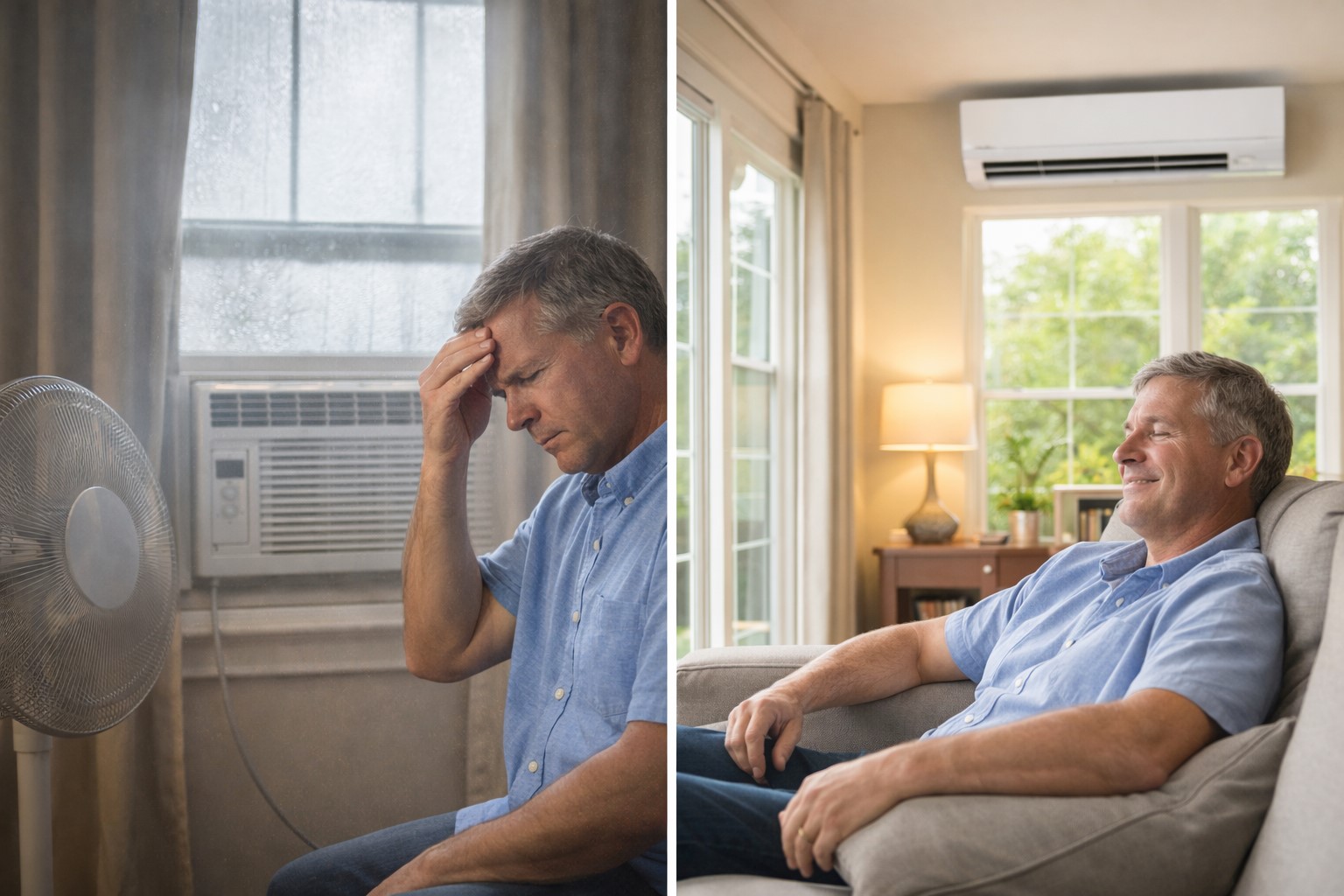
Visual comparison of outdated AC discomfort vs. modern heat pump comfort indoors.

At Air Services Unlimited, we’ve helped homeowners across the Golden Triangle make smart, cost-effective comfort decisions for 40+ years (serving Southeast Texas and Southwest Louisiana since 1981). Our focus is simple: Complete Comfort Solutions that bring reliable performance, careful workmanship, and peace of mind so you can “Enjoy the Great INDOORS.”

Heat Pump Replacement vs. Cooling Replacement: What’s the Difference?

Understanding what each replacement actually includes is the first step. When you compare how each system works in Beaumont’s long cooling season and high humidity, it’s easier to choose the option that fits your home and your budget.

Cooling (AC) Replacement

A cooling replacement generally includes replacing the outdoor AC condenser and the indoor evaporator coil so your system can deliver cooling only. In most homes, it’s paired with a gas furnace to handle heat, which makes this option especially practical when your existing furnace is still in great shape and you’d rather not replace equipment that’s performing well.

Heat Pump Replacement

A heat pump replacement installs an all-in-one system that provides both heating and cooling by reversing refrigerant flow for heat in winter and efficient air conditioning in summer. Because it can improve year-round energy efficiency, it’s often a strong fit in Beaumont’s climate where cooling demand dominates and freezing temperatures are uncommon.

Signs It’s Time to Replace Your System

If you’re on the fence between repair and replacement, these red flags usually tell the story. Spotting them early can help you plan your next step before a breakdown turns into an emergency call on the hottest day of the year.

High Energy Bills? Your System May Be Losing Efficiency

If your energy bills keep climbing, aging components and outdated efficiency standards may be forcing your system to run longer than necessary especially during Beaumont’s hot, humid stretches. As performance declines, the unit works harder to maintain comfort, increasing electricity costs month after month.

Upgrading to a modern, high-efficiency heat pump or AC system can reduce run time and improve overall performance. Systems over 10–15 years old often cost more to operate than you realize, making a replacement evaluation a smart financial move.

If your bills keep rising, schedule a system evaluation with Air Services Unlimited.

Frequent Breakdowns? Repairs Are Adding Up

If you’re scheduling repair after repair, failing compressors, blower motors, or refrigerant leaks may be signaling that your system is nearing the end of its lifespan. Ongoing breakdowns don’t just increase repair costs they also create the risk of unexpected downtime during the hottest days of the year.

Replacing your system before the next major failure can help you avoid emergency situations and escalating costs.

Uneven Cooling or High Indoor Humidity?

  • Hot spots, weak airflow, or sticky indoor air often point to improper sizing or declining system performance.
  • In Southeast Texas, humidity control is just as important as temperature control.
  • If your system cannot remove enough moisture, your home may still feel uncomfortable even when the thermostat says otherwise.
  • Installing a properly sized, modern system can improve airflow, balance temperatures, and enhance indoor humidity control throughout the home.

Your System Uses R-22 Refrigerant?

If your unit was manufactured before refrigerant phase-out regulations, it may rely on R-22, which is now expensive and harder to source. That can make even minor repairs costly—or not worth doing at all.

Upgrading to a modern, compliant system removes the refrigerant headache and typically improves efficiency at the same time.

Heat Pump Replacement: Is It Right for Beaumont Homes?

Because winters in Beaumont are generally mild, heat pumps can operate efficiently year-round and rarely need supplemental heating to keep you comfortable. For homeowners who want to simplify equipment and maximize efficiency, a heat pump can be a practical solution.

Benefits of a Heat Pump in Southeast Texas

A properly selected and installed heat pump can deliver heating and cooling in one system while operating efficiently during mild winters. Many homeowners also see lower operating costs compared to electric resistance heat, and during the long cooling season, a well-installed heat pump can improve comfort by supporting better humidity control.

Cooling (AC) Replacement: When It Makes Sense

Replacing only your cooling system may be the best fit when your furnace is still in excellent condition, you prefer the performance and feel of gas heating, or you want to keep upfront installation costs lower. This approach can also make sense if your heating system was replaced recently and is operating reliably.

In those cases, a matched AC and furnace system can deliver dependable comfort without replacing components that are still doing their job.

What to Do If You’re Considering Replacement

If replacement is on your radar, these steps help you make a decision you’ll feel good about.

Step 1: Check System Age

If your system is over 12–15 years old, replacement is often more cost-effective. Older systems lose efficiency over time and typically require more frequent repairs as components wear down.

Planning a replacement before a complete breakdown gives you more control over timing, options, and cost.

Step 2: Review Repair History

Multiple major repairs in recent years can signal declining reliability. If you’ve already replaced costly components like compressors or blower motors, other parts may be close behind.

When repair costs start stacking up, putting that money toward a new system often delivers better long-term value.

Step 3: Evaluate Comfort Issues

Persistent humidity, uneven cooling, or airflow problems often point to system inefficiency or sizing issues. A new, properly sized system can restore balanced comfort throughout your home.

Step 4: Get a Professional Load Calculation

Proper sizing is critical in Beaumont’s humid climate. Have a licensed HVAC professional perform a Manual J load calculation, then verify airflow and duct conditions. Oversized systems can short cycle, which hurts efficiency and reduces humidity removal, while undersized systems can run nonstop, driving up bills and increasing wear.

Correct sizing is one of the biggest factors in long-term comfort and reliability.

How Regular Maintenance Prevents Early Replacement

Routine service can significantly extend system lifespan. HVAC systems can lose efficiency without proper maintenance, which means more run time, higher bills, and more strain on key components.

Seasonal Tune-Up Benefits

Seasonal maintenance helps improve efficiency and lower monthly utility costs while reducing the risk of breakdowns. It also supports better humidity control and can extend the overall lifespan of your equipment, especially when tune-ups are completed before extreme temperatures arrive.

Why Proper Sizing Matters in Beaumont’s Humid Climate

Beaumont’s humidity makes sizing especially important. An oversized system may cool the air quickly but fail to remove enough moisture—leaving your home feeling damp and uncomfortable.

Over time, excess humidity can contribute to mold growth, reduced indoor air quality, and increased strain on HVAC equipment. If comfort feels “clammy,” sizing and airflow are often the root cause—and a properly matched replacement can make a dramatic difference.

FAQs About Heat Pump & Cooling Replacement in Beaumont, TX

Question: How much does heat pump replacement cost in Beaumont, TX?
Answer: Costs vary by system size, efficiency level, and installation requirements. Most homeowners invest several thousand dollars depending on equipment selection and home size.

Question: Is a heat pump better than an AC in Southeast Texas?
Answer: For many homes, yes. Heat pumps operate efficiently in mild winters and provide year-round comfort in one system.

Question: Should I repair or replace my HVAC system?
Answer: If repair costs exceed 30–50% of replacement cost—or your system is over 12 years old—replacement is often the smarter investment. A professional evaluation can help you compare long-term savings versus short-term repair expenses.

Question: How long does system replacement take?
Answer: Most installations are completed within one day, depending on equipment and ductwork adjustments. More complex projects or upgrades may require additional time to ensure proper sizing and performance.

Question: Will a new system lower my energy bills?
Answer: Yes. Modern high-efficiency systems can significantly reduce energy use during long cooling seasons.

Serving Beaumont and Surrounding Areas

Air Services Unlimited provides heat pump and cooling replacement services throughout Beaumont and nearby communities, including Nederland, Port Arthur, Lumberton, Orange, and Groves.

Don’t Risk a Total Breakdown

Your HVAC system works hardest when you need it most. Waiting until it fails can leave you without cooling during extreme heat. Proactive replacement planning helps you avoid emergency downtime, unexpected expenses, and uncomfortable days without reliable air conditioning.

Don’t let your system fail this summer – schedule a professional replacement consultation with Air Services Unlimited today.

Continue Reading

Understanding Heat Pump Installation Cost in Beaumont, TX

Thursday, March 26th, 2026

When energy bills keep creeping up or your current HVAC system can’t keep pace with Southeast Texas heat and humidity a high‑efficiency heat pump can be a smart upgrade. The big question most Beaumont homeowners ask is simple:

How much does heat pump installation cost and is it worth it?

With long, humid summers and mild (but occasionally chilly) winters across the Golden Triangle, choosing the right system and sizing it correctly is critical. A poorly matched or improperly installed unit can lead to excess humidity, uneven temperatures, higher energy use, and premature wear.

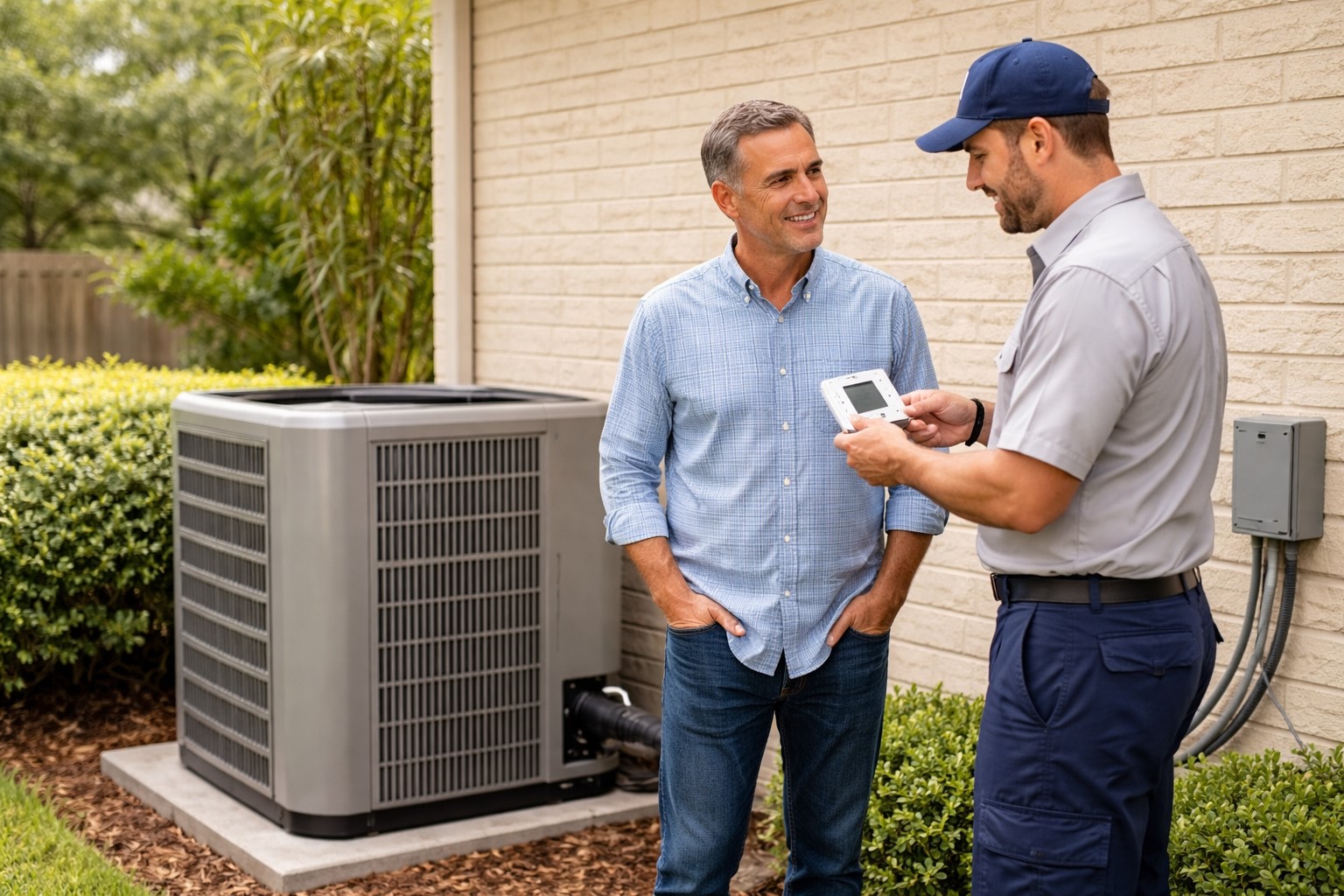
Homeowner in Beaumont reviews heat pump installation details with HVAC technician.

At Air Services Unlimited, we’ve served Southeast Texas and Southwest Louisiana since 1981. Our NATE‑certified Service Technicians tailor every heat pump recommendation to the Gulf Coast climate and your home’s unique needs so you can Enjoy the Great INDOORS with confidence.

What Affects Heat Pump Installation Cost in Beaumont, TX?

Heat pump installation isn’t one‑size‑fits‑all. Several variables determine your final cost, from equipment choices to home‑specific requirements. Understanding these factors helps you budget accurately and avoid surprises.

System Size: Bigger Isn’t Always Better

Oversized and undersized systems are both costly mistakes. Skipping a professional load calculation and relying on guesswork can result in short cycling that drives humidity problems and premature wear, while an undersized unit may run excessively and still struggle to keep you comfortable. A Manual J load calculation tailored to your home’s square footage, insulation levels, window performance, and airflow needs ensures proper sizing. If you’re unsure what your home requires, schedule an in‑home evaluation with Air Services Unlimited to protect comfort and your long‑term investment.

Type of Heat Pump System

Different designs carry different costs and performance profiles. Air‑source heat pumps are the most common fit for Beaumont’s climate; variable‑speed (inverter) systems elevate comfort, reduce humidity, and often lower operating costs; ductless mini‑splits deliver zoned heating and cooling that’s ideal for additions, garages, or homes without ductwork; and dual‑fuel configurations pair a heat pump with a gas furnace for enhanced cold‑weather performance. Selecting the right configuration for Southeast Texas helps prevent excess indoor humidity, temperature swings, and unnecessary energy use.

Ductwork Condition

Your ductwork significantly influences both cost and results. Leaky or poorly designed ducts can waste conditioned air before it ever reaches your rooms, creating uneven temperatures and inflated bills. If your home is older or the ducts haven’t been inspected recently, installation may include duct sealing, design modifications, or partial replacement to restore proper airflow. Addressing duct issues during installation ensures your new heat pump delivers the efficiency and comfort you’re paying for.

Efficiency Rating (SEER2 & HSPF2)

Higher‑efficiency systems cost more upfront but can trim monthly cooling costs in our hot, humid climate while improving humidity control. They typically run more quietly and experience less strain, which can extend equipment life. Although the initial investment is higher, a well‑chosen high‑efficiency unit can save thousands over its lifespan.

Installation Complexity

Home layout and existing infrastructure shape project scope. Systems placed in tight attics or crawlspaces require additional labor, some homes need electrical upgrades or new refrigerant lines to meet current code, and local permits and inspections can influence planning and timelines. Because attic and crawlspace work and any electrical or refrigerant handling can be hazardous and may void warranties, always rely on licensed, experienced professionals. Our team follows manufacturer specifications and Texas and local codes to protect your warranty and long‑term reliability.

Average Heat Pump Installation Cost in Beaumont, TX

Heat pump installation costs in Beaumont vary based on system size, efficiency level, ductwork condition, and installation complexity. In many cases, homeowners can expect a typical installation to range from about $6,500 to $12,000, with higher-efficiency systems and more complex projects costing more. Because every home has different airflow, insulation, and electrical needs, the most accurate way to determine your cost is through a personalized in-home assessment. A professional evaluation gives you pricing based on your home’s specific comfort needs rather than a broad estimate.

What to Do Before Installing a Heat Pump

Before moving forward with installation, it helps to take a close look at your current HVAC system and your home’s overall performance.

  • Evaluate your system’s age, repair history, and energy efficiency
  • If your current system is more than 10 to 15 years old, requires frequent repairs, or is causing rising energy bills, replacement may make better financial sense than continued repairs
  • Consider variable-speed technology and enhanced dehumidification features, especially in Beaumont’s humid climate
  • Have insulation and ductwork inspected to make sure your new heat pump can operate efficiently
  • Ask about available manufacturer promotions, utility incentives, or federal tax credits that may help reduce upfront costs
  • Keep in mind that waiting too long can mean another season of higher energy bills and avoidable discomfort

Quick Takeaway: The best heat pump installation starts with the right plan. A thorough home evaluation, proper sizing, and attention to humidity control can make a major difference in both comfort and long-term operating costs.

How Regular Maintenance Protects Your Investment

In Southeast Texas, proper maintenance is essential. Without routine care, heat pumps can lose a significant portion of their efficiency over time, directly affecting operating costs and system longevity. Seasonal professional service helps improve energy efficiency and humidity control, extends equipment life, and reduces breakdown risk and repair expenses. Homeowners should focus on safe tasks like changing filters and keeping the outdoor unit clear of debris, while leaving refrigerant, electrical, and internal components to licensed professionals. A precision tune‑up today can prevent component failures and costly emergency repairs down the road.

Why Humidity Control Matters in Beaumont Homes

In our climate, many comfort complaints stem from excess moisture more than temperature. A properly installed variable‑speed heat pump can run longer, lower‑speed cycles that pull moisture from the air, helping you feel cooler at higher thermostat settings and potentially lowering monthly energy use.

Why Professional Installation Matters in Beaumont, TX

Improper installation can lead to refrigerant charge issues, electrical failures, compressor damage, and even voided manufacturer warranties. With Air Services Unlimited, you get NATE‑certified technicians, code‑compliant workmanship with clean, labeled results, and calibrated airflow and controls for balanced comfort—all from a company that stands behind its work so you can Enjoy the Great INDOORS. We proudly serve homeowners throughout Beaumont and the Golden Triangle, delivering heat pump installations designed specifically for Gulf Coast demands.

FAQs About Heat Pump Installation in Beaumont, TX

Question: How much does heat pump installation cost in Beaumont, TX?

Answer: Costs vary based on system size, efficiency rating, ductwork condition, and installation complexity. The best way to determine accurate pricing is through a professional in-home evaluation tailored to your specific comfort needs.

Question: Is a heat pump worth it in Southeast Texas?

Answer: Yes, heat pumps are highly efficient in Beaumont’s mild winters and long cooling seasons. They provide reliable heating and cooling while helping reduce overall energy consumption.

Question: How long does heat pump installation take?

Answer: Most standard installations are completed within one day. However, projects involving ductwork upgrades or electrical modifications may take longer depending on complexity.

Question: Should I repair or replace my current HVAC system?

Answer: If your system is more than 12–15 years old and requires frequent repairs, replacement is often more cost-effective over time. A professional evaluation can help determine whether continued repairs or a full upgrade makes better financial sense.

Question: Do heat pumps handle humidity well?

Answer: Yes, modern heat pumps are designed to manage both temperature and moisture levels. Variable-speed systems are especially effective at controlling indoor humidity in humid climates like Beaumont.

Ready to Upgrade Your Comfort?

A heat pump is a long‑term investment in comfort, efficiency, and lower energy bills. Don’t wait until your system fails during a Texas heat wave. Air Services Unlimited is the trusted local choice for professional heat pump installation in Beaumont and surrounding communities.

Schedule your in‑home heat pump evaluation and get a tailored recommendation for your home. Call or use our “Schedule Service” form to get started.

Continue Reading

Seasonal Heat Pump Tune‑Up Checklist for Beaumont, TX

Tuesday, September 23rd, 2025

When Beaumont’s summer heat feels relentless or the damp winter chill settles in, your heat pump becomes the backbone of comfort in your home. Yet without consistent maintenance, even the most dependable systems can falter right when you rely on them most. That’s why at Air Services Unlimited, we view seasonal tune‑ups as an essential part of protecting both your comfort and your investment. These services keep your equipment efficient, your home safe, and your energy bills under control. Most importantly, they give you the peace of mind that your system will be ready for every season.

Continue Reading