


Reliable heat isn’t a luxury in Beaumont—it’s peace of mind. If your system hesitates, makes new noises, or blows cold air, that discomfort can spiral into higher bills, safety risks, and avoidable breakdowns. Air Services Unlimited has helped homeowners across Beaumont and the Golden Triangle since 1981 catch issues early so they can Enjoy the Great INDOORS with confidence.
We’ve aligned the guidance below with how our NATE‑certified Service Technicians approach fast, safe diagnostics. If any of these symptoms sound familiar, take action now.
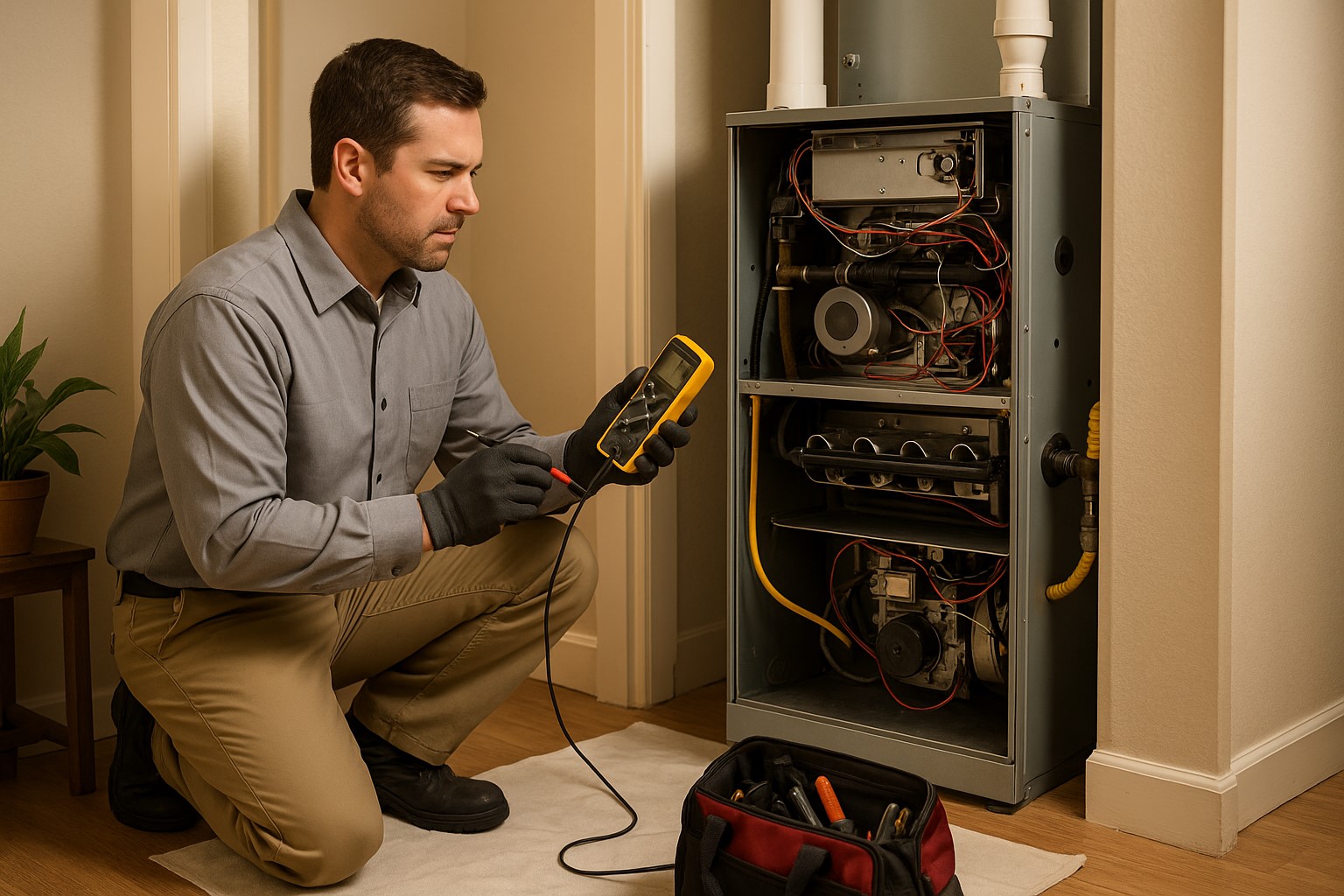
Warning Signs Your Heater Needs Urgent Repair
Strange or Loud Noises
Banging, clanking, squealing, or rattling can point to loose hardware, motor wear, or failing belts/bearings. These noises rarely resolve on their own and often worsen with runtime. Shut the system off and schedule a professional inspection before minor wear triggers major damage.
Weak Heat—or Cold Air—from Vents
If your heater runs but the home stays chilly, common culprits include dirty filters, ignition issues, thermostat failures, or duct problems. In some cases, cold air can indicate a combustion or heat‑exchanger issue, which is a safety concern. Start with a fresh filter and verify thermostat settings; if the problem persists, do not open access panels or adjust burners/sensors—call a certified tech for a full diagnosis.
Short Cycling (Rapid On/Off)
Brief starts and stops typically mean overheating, restricted airflow, an undersized/oversized system, or a thermostat fault. Short cycling accelerates wear on electrical components and raises energy use. Stop using the system and book diagnostics and an airflow assessment.
An Unexpected Spike in Heating Costs
A sudden bill jump—without extra usage—often signals reduced efficiency from worn parts, clogged filters, duct leaks, or miscalibration. Because inefficiency can shorten equipment life, schedule a precision tune‑up/inspection as soon as you notice the change.
Unusual Odors or a Discolored Pilot Light
Burning, mildew, or gas smells—or a yellow pilot light—can indicate electrical issues, gas leaks, heavy dust, or incomplete combustion. If you suspect a gas leak, turn off the unit, avoid switches/flames, evacuate, and contact your gas utility or emergency services from a safe location. Don’t attempt to relight or adjust combustion components yourself.
Lesser‑Known Issues That Still Need Attention
Dry or Stuffy Indoor Air
An inefficient heater can disrupt humidity balance, leading to dry skin, static, and respiratory discomfort. A system evaluation can confirm whether airflow, filtration, or humidity support is needed.
Uneven Heating from Room to Room
Consistently warm and cool spots suggest airflow restrictions, duct leaks, or zoning problems. Request an airflow test and duct inspection to restore balanced comfort.
Immediate Steps You Can Take (Before We Arrive)
Before we arrive, start with your thermostat—confirm it’s in Heat mode and set above room temperature. Replace the air filter if it’s dirty or older than 30–60 days. Without removing any panels, do a quick visual check for an odd pilot light color (if equipped), error codes, debris, or any new noises/odors. If you smell gas, evacuate immediately and call your gas utility or 911 from outside. If issues persist, turn the heater off and schedule service—gas and high‑voltage components require professional care. For added safety, test carbon monoxide detectors near bedrooms and on each level.
Why Quick Action Saves Time and Money
- Helps prevent full system breakdowns and urgent after‑hours failures
- Improves energy efficiency and lowers monthly bills
- Maintains steady, reliable comfort across the home
- Protects your family from electrical failures, gas leaks, and CO hazards
- Reduces wear that can force premature replacement
- Keeps your system aligned with local safety and energy standards
Why Homeowners Choose Air Services Unlimited
Since 1981, local families and businesses have trusted us backed by NATE‑certified technicians, rigorous training, and detail‑driven workmanship. We’re committed to punctual service, clear communication, and doing the job right—so you can Enjoy the Great INDOORS. Local and proven, we’ve served Beaumont and the Golden Triangle for more than 40 years with safety‑first procedures that protect your home and family. Our technicians are on time and thorough, and you’ll experience customer‑focused care from the first call through follow‑up.
FAQs: Heater Repair in Beaumont, TX
How much does heater repair cost in Beaumont, TX?
The cost of heater repair in Beaumont can vary depending on the type of issue, the condition of your heating system, and the extent of the work required. For the most accurate estimate, it’s best to schedule an evaluation with a certified HVAC technician.
Should I repair or replace my heater?
If it’s over 15 years old, frequently breaks down, or your energy bills keep rising, it might be time to consider a replacement. Our technicians can evaluate your system’s efficiency and give honest recommendations.
How often should I schedule heater maintenance?
Annual maintenance is highly recommended — especially in the fall — to ensure safe and efficient operation through the winter. During maintenance, a licensed technician should perform safety checks and combustion testing, while homeowners handle simple tasks like regular filter changes and keeping the area around the unit clear.
Is it safe to run my heater if it smells unusual?
No. Burning, musty, or gas odors could indicate serious problems. Turn off the heater. If you suspect a gas leak, leave the home immediately and call your gas utility or 911 from a safe location. Do not relight pilots or operate electrical switches until professionals say it’s safe.
Can dirty air filters cause heating issues?
Yes. Clogged filters reduce airflow, force the system to overwork, and can cause overheating or short cycling.
What certifications should a heater repair company have?
Look for licensed and insured companies with NATE-certified technicians or equivalent HVAC industry certifications. Experience with local building codes and safety regulations is also essential.
How long does a typical heater repair take?
Most minor repairs can be completed within 1–2 hours. More complex issues may require parts and additional time, but we always aim for fast, same-day service whenever possible.
Ready When You Need Us
If your heater is noisy, short cycling, blowing cool air, or not heating at all, we’re here to help—day or night.
Stay safe, stay warm—and let Air Services Unlimited keep your home comfortable all winter.