


Replacing an older HVAC system comes with a lot of understandable questions. How long will installation take? Will the process disrupt your home? Will the new system really stand up to Beaumont’s long, hot, humid cooling season and its shorter but still chilly winter stretches?
In Southeast Texas, those are important concerns. Beaumont’s climate brings long warm seasons, heavy humidity, and significant annual rainfall, so installation quality matters just as much as the equipment itself. When a system is properly selected, installed, and tested, homeowners can enjoy more dependable comfort, better efficiency, and greater peace of mind.
At Air Services Unlimited, homeowners count on a trusted local team for complete comfort solutions built around long-term performance. Serving the Golden Triangle region since 1981, Air Services Unlimited offers 24/7 emergency service and relies on NATE-certified service technicians and experienced installation teams to deliver workmanship you can feel good about.
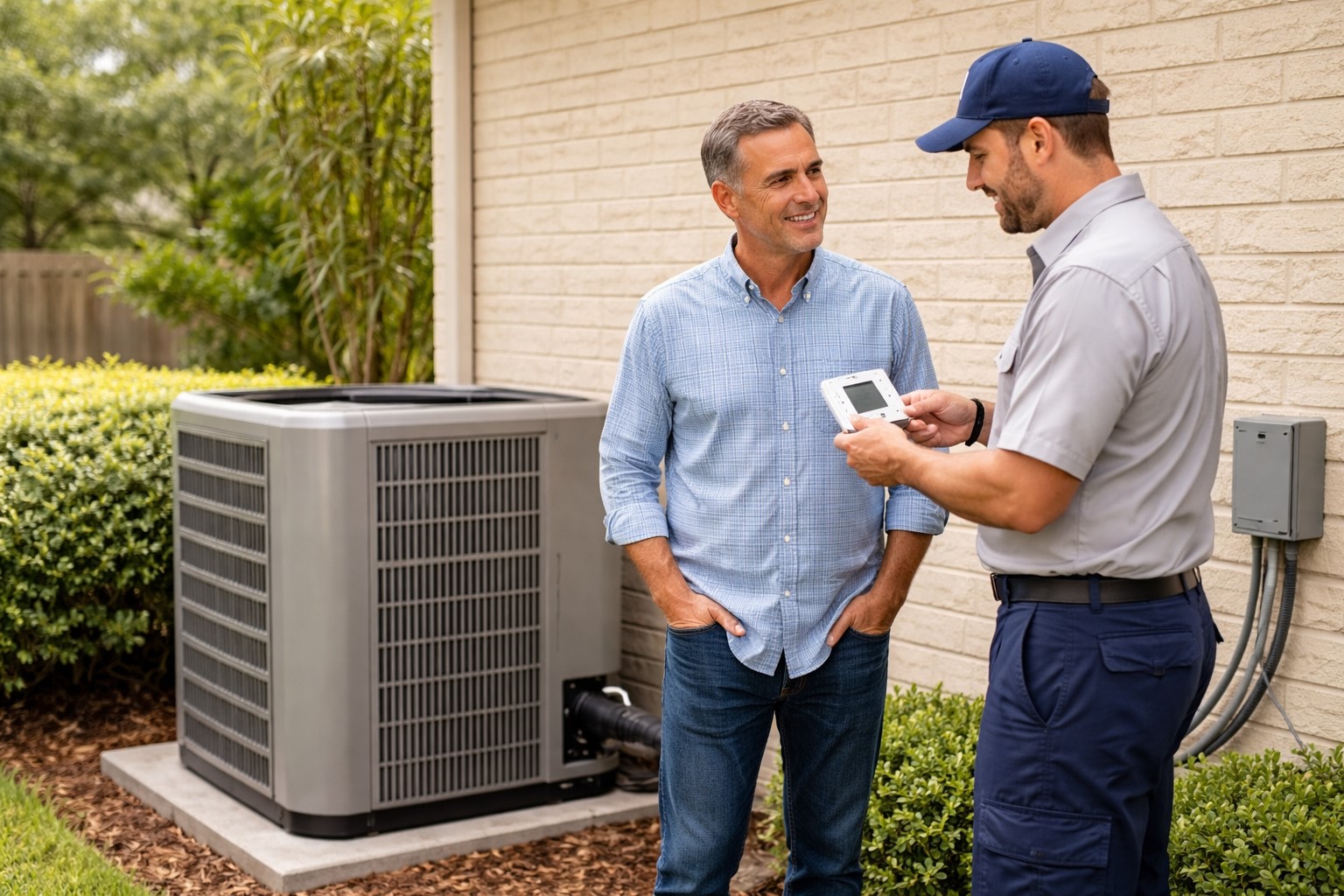
Why More Beaumont Homeowners Are Choosing Heat Pumps
A heat pump gives you both heating and cooling in one system, which makes it a strong fit for homes in Beaumont, where summers are intense and winters are usually milder than in colder northern climates. For many homeowners, that all-in-one versatility makes a heat pump an efficient and practical solution.
Still, the success of the system depends on much more than the equipment itself. Proper sizing and matching are critical. A contractor should carefully evaluate your home’s heating and cooling demands so the system can deliver the right balance of comfort, humidity control, and efficiency.
What Happens Before Installation Day?
Before any equipment goes in, a professional installer should evaluate the home carefully. This step is one of the most important parts of the entire process because it helps ensure the new system is truly suited to space.
Home Evaluation Comes First
A heat pump installation typically starts with an in-home assessment. Your contractor should review your home’s square footage and layout, insulation levels, existing ductwork condition and design, electrical capacity, indoor and outdoor unit placement, and any current comfort issues such as hot and cold spots. This matters because proper equipment size is essential for both comfort and efficiency, and an oversized or undersized system can lead to uneven temperatures, short cycling, excess wear, and wasted energy.
You May Review Equipment Options
Depending on your home and comfort goals, your installer may discuss several system types, such as standard central heat pump systems, ductless mini-split heat pumps, geothermal systems, and higher-efficiency or variable-capacity equipment designed to improve humidity control. Air Services Unlimited installs heat pumps, ductless systems, geothermal heating and cooling equipment, and other home comfort solutions tailored to different home layouts and energy needs.
Permit and Code Considerations
In Beaumont, HVAC work may be subject to permit requirements and building-code compliance, which means your installation may need to meet local standards related to safety, approved procedures, and system performance. Professional installation helps protect homeowners because an experienced contractor understands how to complete the work correctly and in line with applicable requirements.
What to Expect on Heat Pump Installation Day
Many homeowners picture installation day as noisy or chaotic. In reality, a well-organized crew usually follows a clear sequence of steps to keep the process as efficient and controlled as possible.
- Old Equipment Removal
If you are replacing an existing system, the crew will usually begin by disconnecting and removing the old equipment. This may include the indoor unit, outdoor condenser or heat pump, and in some cases portions of the old refrigerant line set or controls. During this stage, you may notice some noise, technician traffic in and out of the house, and a temporary loss of heating or cooling while the old system is being removed and the new one is prepared for installation.
- Preparing the Installation Area
Next, technicians prepare the indoor and outdoor work areas so the new system can be installed correctly and safely. This often includes leveling or setting the outdoor pad, confirming proper clearances around the unit, checking condensate drain routing, reviewing airflow pathways, and verifying electrical connections. Careful preparation helps support long-term performance, accessibility, and serviceability.
- Installing the Indoor and Outdoor Units
Once the site is ready, the new heat pump system is placed and connected. Depending on the setup, technicians may install the outdoor heat pump unit, an indoor air handler or compatible coil, refrigerant lines, thermostat controls, disconnects or other electrical components, and condensate drainage parts. Each connection plays an important role in helping the system operate efficiently and reliably.
- Ductwork or Airflow Adjustments
Not every installation requires duct modifications, but some homes do. If the existing ductwork is undersized, leaking, or poorly designed, your contractor may recommend repairs or upgrades during the installation process. Even an excellent heat pump can underperform when airflow issues are left unaddressed, so ductwork condition has a major impact on comfort, efficiency, and humidity management.
- Electrical and Safety Checks
Because heat pumps rely on correct electrical integration, your installer should inspect wiring, controls, and protective components carefully. Faulty connections can affect safety, shorten component life, and interfere with reliable operation. This stage helps confirm that the system is connected properly and ready to operate as intended.
- Refrigerant Charging and System Testing
Once the equipment is installed, the crew should test and calibrate the system to make sure everything is operating correctly. This process typically includes verifying refrigerant charge, checking airflow, testing thermostat operation, confirming heating and cooling modes, and measuring temperature split and overall performance. This is where workmanship really shows, because a properly tested startup helps ensure your system is ready to deliver unprecedented comfort and dependable day-to-day performance.
How Long Does Heat Pump Installation Take?
Installation time depends on the scope of the project.
A straightforward replacement may move faster, while a job involving ductwork updates, electrical upgrades, or more extensive preparation can take longer. For most homeowners, the key thing to expect is some technician access, workspace around the system, and a temporary interruption in heating or cooling while the work is underway.
Will Installation Make a Mess?
A professional crew should take reasonable steps to protect your home throughout the installation. Homeowners can usually expect drop cloths or floor protection, organized tool staging, cleanup of installation debris, and a final walkthrough before the crew leaves. Some dust or minor disruption is normal, especially if the project involves attic access, closet air handlers, or duct modifications, but the overall process should still feel controlled and respectful of your home.
What Should You Do Before the Crew Arrives?
A little preparation can help installation go more smoothly and reduce unnecessary delays. Taking a few simple steps before the crew arrives can also make the overall process feel easier and less stressful for homeowners.
Homeowner Checklist Before Installation
Before your appointment, it helps to:
- Clear space around indoor and outdoor equipment areas
- Move valuables or fragile items away from work zones
- Secure pets
- Make sure technicians can access the thermostat, attic, closet, or utility area
- Ask how long heating or cooling may be temporarily unavailable
What to Ask Your Installer
It is also smart to ask a few key questions before installation begins:
- Was the new system sized specifically for my home?
- Will any ductwork changes be needed?
- Are electrical upgrades necessary?
- What kind of thermostat will be installed?
- What maintenance will help the system run well over time?
These questions help you better understand the work being performed and the value of a properly planned installation.
What Happens After the Installation?
Once the system is in place, your contractor should walk you through basic operation so you feel confident using it from day one. This final walkthrough helps you understand your new heat pump’s features, settings, and daily operation with greater confidence.
Expect a Final System Review
A quality handoff often includes thermostat instructions, filter information, maintenance recommendations, a basic explanation of heating and cooling modes, and signs to watch for if service is needed later. This final review gives homeowners more confidence and helps them understand what normal system operation looks like.
Why Proper Sizing and Maintenance Matter
A heat pump that is properly sized, matched, and maintained is much more likely to deliver the comfort and efficiency homeowners expect. Proper sizing should be based on formal load calculations so the system can meet the home’s heating and cooling demands more accurately.
Ongoing maintenance matters just as much. It helps the system operate smoothly, supports efficiency, and reduces the risk of avoidable breakdowns over time.
How Regular Maintenance Protects Your New Heat Pump
Installation is only the first step. Routine maintenance helps protect your investment by keeping the system in stronger condition year after year. It also gives technicians the opportunity to spot minor issues before they turn into larger, more expensive repairs.
Benefits of Seasonal Heat Pump Maintenance
Seasonal maintenance helps maintain efficient performance, supports stronger airflow and indoor comfort, catches electrical issues early, reduces unnecessary strain on components, and helps protect long-term system reliability. In Beaumont, where systems often face extended cooling demand and persistent humidity, preventive service can be especially valuable.
Why Professional Installation Matters in Beaumont, TX
Local conditions have a major impact on HVAC performance in Beaumont, where hot summers, mild-to-cool winters, high humidity, and substantial rainfall all influence how well a heat pump performs. Because of these conditions, system selection, airflow, drainage, startup, and calibration all need careful attention to help ensure dependable comfort and efficiency. Professional installation also helps homeowners address proper system sizing, duct leakage concerns, humidity control, code and permit requirements, and correct startup and performance testing. Air Services Unlimited brings decades of Southeast Texas experience to installation, repair, replacement, and maintenance services, and that local familiarity extends to nearby communities like Nederland, Port Neches, Orange, Vidor, Lumberton, and Bridge City.
FAQs About Heat Pump Installation in Beaumont, TX
Question: How long does heat pump installation take?
Answer: Most installations take anywhere from one day to several days, depending on ductwork, electrical updates, and system complexity. A straightforward replacement usually moves faster than a project that requires major duct or electrical modifications.
Question: Will I need a permit for heat pump installation in Beaumont?
Answer: Possibly. Permit and building-code requirements may apply, so your contractor should review local requirements before work begins.
Question: Is a heat pump a good choice for Beaumont homes?
Answer: Yes, often. Heat pumps are usually a great fit for Beaumont’s long cooling season and milder winters when they are sized and installed correctly.
Question: What happens if my heat pump is the wrong size?
Answer: An oversized or undersized system can reduce efficiency, hurt comfort, and increase maintenance needs. It may also cause uneven temperatures, short cycling, or higher utility bills over time.
Question: Do I need ductwork changes during installation?
Answer: Not always, but some homes do. If your ductwork is leaking, undersized, or poorly designed, updates may be recommended to help your new system perform properly.
Ready for Heat Pump Installation in Beaumont?
Knowing what to expect makes the process much easier. From the initial home evaluation to final testing and walkthrough, a professional heat pump installation should leave you with better comfort, stronger confidence, and a system designed for Beaumont’s climate.
If your current system is aging, struggling, or costing too much to run, Air Services Unlimited is ready to help you enjoy the Great INDOORS with a solution built for long-term comfort.
Contact Air Services Unlimited to schedule your heat pump installation consultation and get expert help from a team that delivers unparalleled customer care.
 Join Our Mailing List: